Key findings
Premium Explosion
The average annual premium for a family plan offered through private employers in New York rose from $5,300 in 1996 to $27,000 in 2024—an increase of 440% over 28 years, or roughly 6% annual growth.
Wages Lag Behind
While average household income roughly doubled between 2001 and 2024, health insurance premiums tripled for single plans and nearly quadrupled for family plans.
Lost Compensation
If premiums had grown at the same rate as wages, workers would have earned an additional:
$45,300 (single plan)
$133,200 (family plan)If cost growth had been limited to 2% annually, those figures would rise to $55,700 and $149,400, respectively.
Rising Deductibles
The average family plan deductible increased from $900 in 2002 to $3,400 in 2024, growing nearly 5% per year, well above inflation.
Employment Impacts
If healthcare costs had tracked wage growth, New York’s employment rate would be 8 percentage points higher, adding 1.3 million jobs.
Each year of 6% healthcare cost growth leads to 51,000 additional job losses statewide.
This is the first release in two-part series on the burdensome nature of rising healthcare costs and hospital prices. The second report will expand on how to regulate hospital prices and thereby curtail costs.
Introduction
The cost of care has become a major constraint on family budgets and a growing part of the “affordability crisis” that currently dominates the political and economic landscape in the US. While Medicare, Medicaid, and ACA marketplace costs often occupy the center of the policy debate on healthcare costs, private employer-sponsored insurance costs have soared even more rapidly in the past thirty years, far exceeding price and wage increases seen in other sectors of the economy.
Research over the past decade has emphasized that rising healthcare costs are a major component of cost burden for households. Employers typically pay most of the cost of health insurance benefits, but employers are widely understood to pass at least some of these costs onto employees through depressed wages. Additionally, the rising cost of healthcare puts a strain on the labor market more broadly, potentially also increasing unemployment and dampening the quantity and quality of employment options.
This brief quantifies the private employer-sponsored health insurance premium increases in New York over the past twenty-five years and estimates the impact of these cost increases on worker wages as well as employment and unemployment. Assuming full pass through of insurance costs into wages, we find that if insurance cost growth had tracked wage growth, New York workers on single-individual plans would have earned an additional $45,000 between 2001 and 2024, and New York workers on family plans would have earned an additional $133,000 over those years. If we instead assume that the cost burden is shared between the employee and employer, we find that healthcare cost growth likely pushes approximately 50,000 additional New York workers into unemployment each year.
Fig. 1. Average total premiums from private employers, family plans
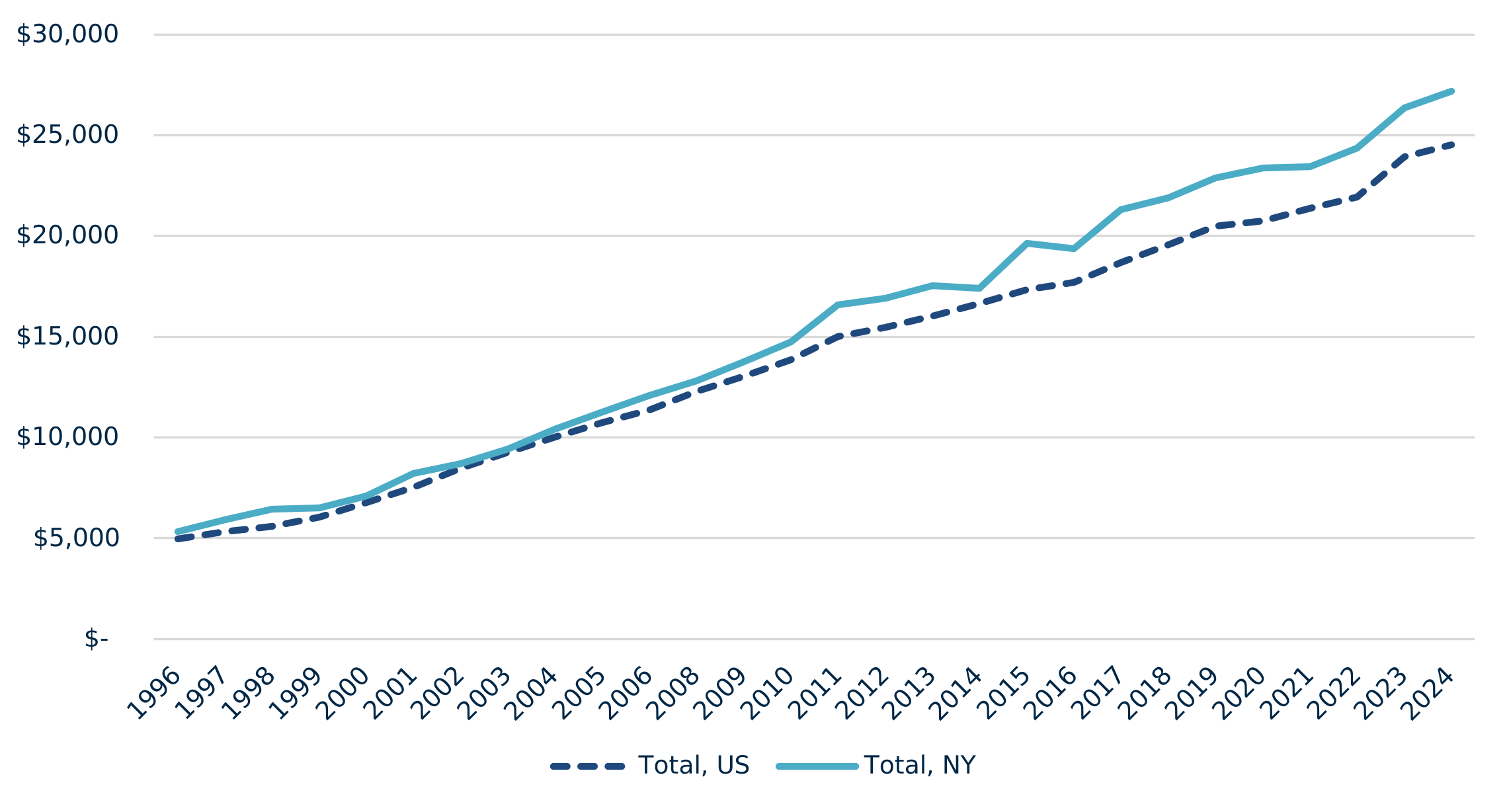
Fig. 2. Average total premiums from private employers, family plans
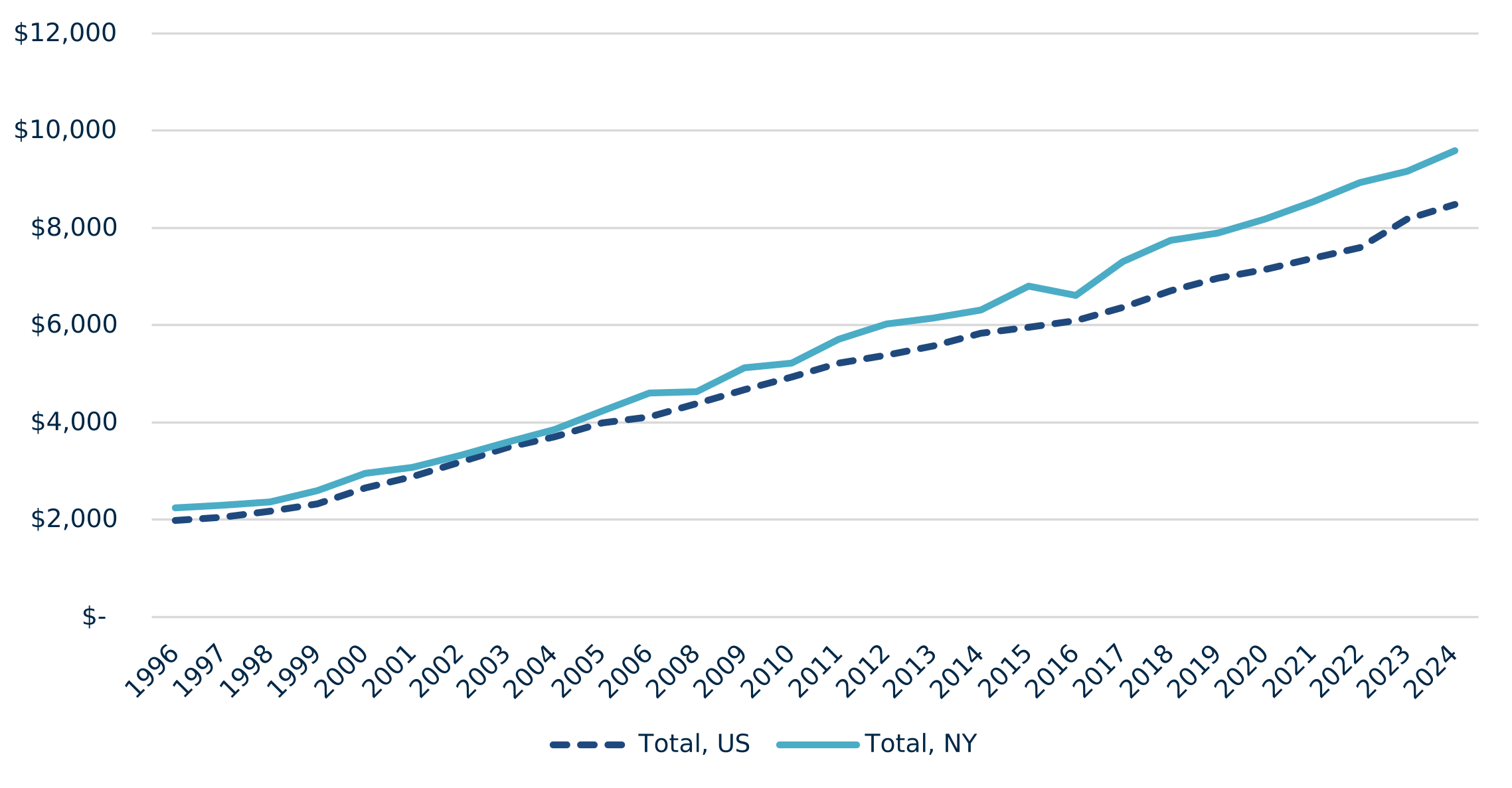
Fig. 3. Average total premiums from private employers, family plans
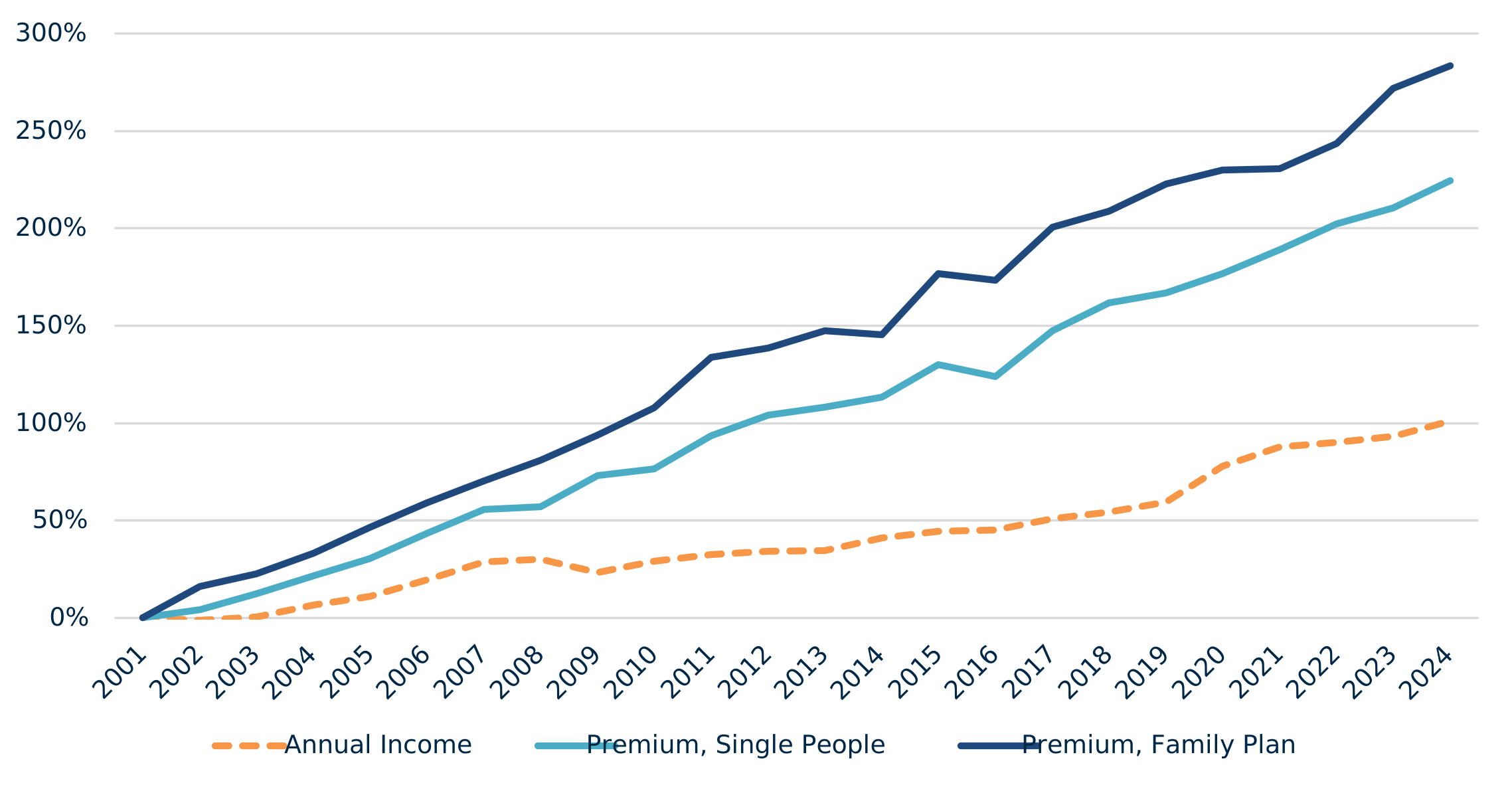
Fig. 4. Average total premiums from private employers, family plans
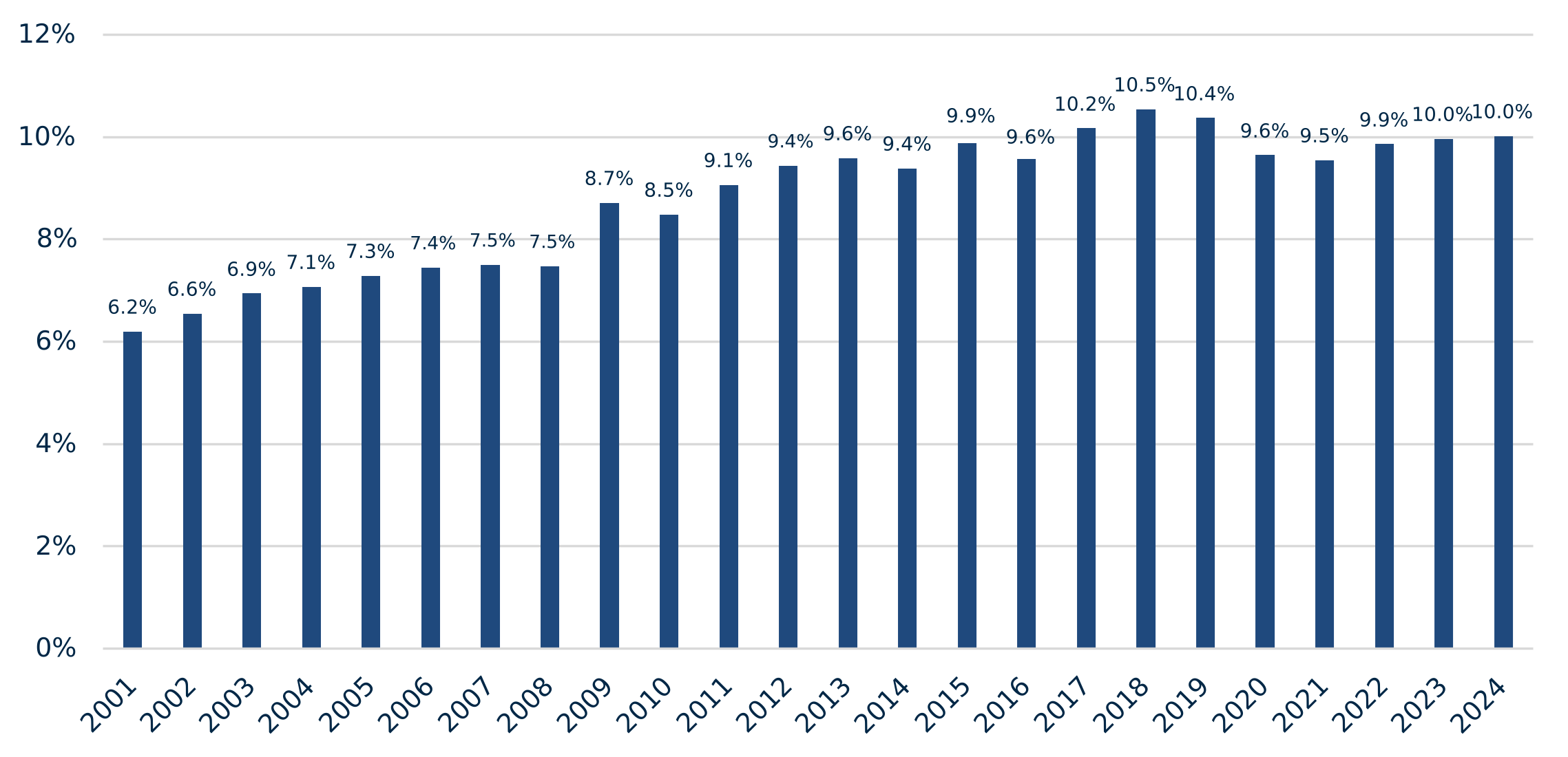
Fig. 5. Average total premiums from private employers, family plans
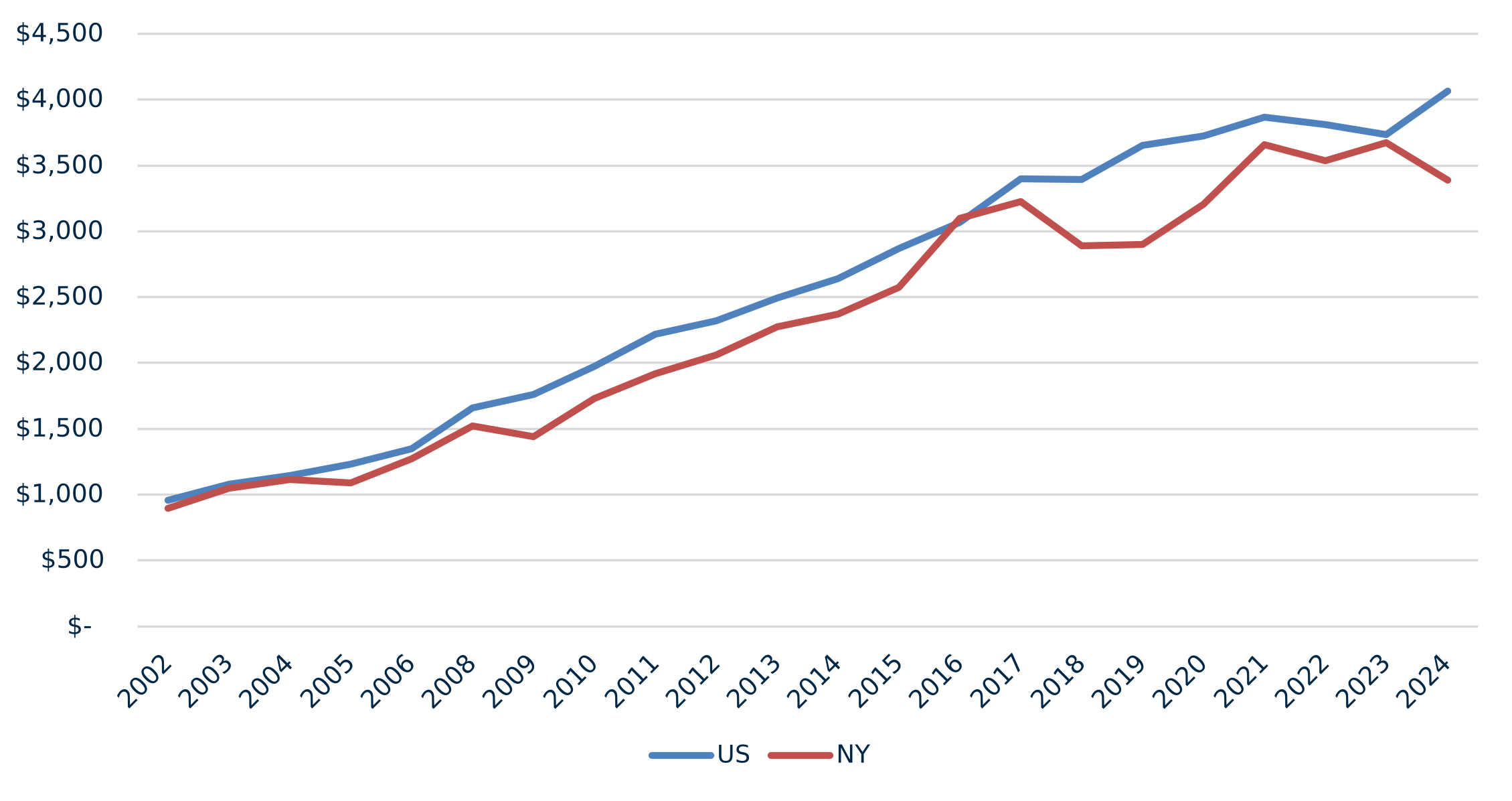
Table 1. Cumulative additional compensation per health plan under different cost growth models, 2001–2024
| Health cost growth model | Single Plan | Family Plan |
|---|---|---|
| Costs grow at same rate as wages | $45,297 | $133,244 |
| Costs grow at 2% | $55,694 | $149,403 |
| Costs stay constant | $74,677 | $ 202,236 |