
Reports, Briefs and Presentations

A Tax Plan for Statewide Universal Childcare

New York's public school system, built in the nineteenth century, entitles New Yorkers aged five to twenty-one to free education. More recently, policymakers, including Governor Hochul and Mayor-elect Mamdani, have committed to finishing the project by extending universal education and care to children under the age of five.


City Council’s Housing Bills Would Make Housing Less Affordable

New York City Council will likely vote next week on a series of “term sheet bills” that would legislate new rigid restrictions on city-financed affordable housing development and preservation. These bills will drive up the cost of developing new affordable housing in the city and put major obstacles in the way of the incoming Mayor’s affordable housing agenda.

New Data Confirm Tax Flight Is A Myth

New York State often faces calls for higher tax revenue, whether due to concerns over revenue shortfalls or a desire to increase public spending. This brief assesses the soundness of raising revenue through the Personal Income Tax, examining the fiscal stability of such revenue, fundamental fairness considerations, and responses to common arguments against raising the state income tax.

Preventing a NYCHA Budget Crisis

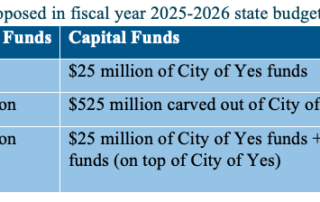
The New York City Housing Authority (NYCHA) houses over 500,000 New Yorkers and receives a majority of its funding from the federal government, leaving it especially at risk of impending federal budget cuts. New York State must be prepared to fill gaps in both the operating funding and capital funding for NYCHA.

Who is Leaving New York State? Part II: Social Characteristics

The Fiscal Policy Institute today released a new report in its state migration series, "Who Is Leaving New York State? Social and Labor Characteristics", which finds that affordability — and in particular housing and the cost of raising a family — are increasingly driving State population loss.

Enacted Budget Financial Plan Shows Healthy Fiscal Outlook

The fiscal year 2025 enacted budget totals $237 billion, an inflation-adjusted decline of 0.4 percent from fiscal year’s 2024 total budget. In non-inflation-adjusted terms (nominal dollars) this represents an increase from fiscal year 2024’s total budget of $231.6 billion.

Debunking Common Misconceptions about the Size of the State Budget

Under the fiscal year 2025 executive budget, inflation-adjusted state funding would fall for a third consecutive year. While State spending rose in response to Covid, it will return to its pre-Covid trend by fiscal year 2025.

Fiscal Analysis: 2025 Revenue To Exceed Projections by At Least $4 Billion

The DOB’s assumed growth rates for State revenue are unusually low by historical standards, and are out of sync with most forecasts of U.S. economic growth over coming years. FPI expects State revenue growth in fiscal year 2025 will likely exceed current forecasts by at least $4 billion.

What to Look for in the One House Budgets

The New York State Senate and Assembly will soon release their proposals for the fiscal year 2025 budget. Following last week’s revenue consensus, the legislature will be able to propose $1.3 billion more in spending than the executive budget. This additional revenue will allow the legislature to restore many of the budget cuts proposed by the executive budget, especially to school aid and home care. The legislature can, however, go beyond restoring the proposed cuts and put forward deeper investments in public services that address New York’s affordability crisis. These investments will require raising additional revenue.

Consensus Economic and Revenue Forecast: Finding Quarters in the Couch Cushions

Over the past five budget cycles, the upward revisions to revenue established at the Economic and Revenue Consensus meeting has ranged from 0.6 percent to 1.9 percent of annual state operating funds. While these numbers may seem small in magnitude, the dollar amounts are significant when compared to current cost saving measures proposed in the fiscal year 2025 executive budget. Annualized revenue adjustments average $972 million over the past 6 budget cycles (excluding 2020) compared to a proposed $454 million in school aid cuts and $600 million in cuts to the homecare program CDPAP in this year’s executive budget.

Go to Top